- What Structural Defects Indicate a Tree Must Come Down?
- How Does Storm Damage Affect Tree Removal Decisions in Connecticut?
- Which Tree Diseases May Require Complete Removal?
- Is Proximity to a House a Reason for Tree Removal?
- How Do You Know If a Tree Is Completely Dead?
- What Is the Cost of Tree Removal in New London County, CT?
You should consider removing a tree in New London County, CT, when its trunk develops deep structural cracks, fungal brackets appear near the base, or significant portions of the canopy decline. Storm damage that compromises the root system can also leave a tree unstable and hazardous. A professional assessment can help determine whether removal is necessary or whether targeted pruning may address the problem.
What Structural Defects Indicate a Tree Must Come Down?
A tree may need to be removed when its trunk develops deep vertical cracks, extensive internal decay weakens the wood, or significant root heaving appears on one side.
Deep cracks can compromise a tree’s structural strength. When the trunk or root system can no longer support the tree reliably, the risk of failure may make professional removal the safest option.
- Arborists inspect the root flare for girdling roots, damaged anchor roots, and other signs of instability. Construction projects and driveway expansions can sever vital support roots, potentially leaving the canopy unstable.
- Root damage does not always mean a tree must be removed immediately. The extent of the damage, the tree’s condition, and its proximity to people or structures all affect the recommendation. A qualified professional should assess the risk.
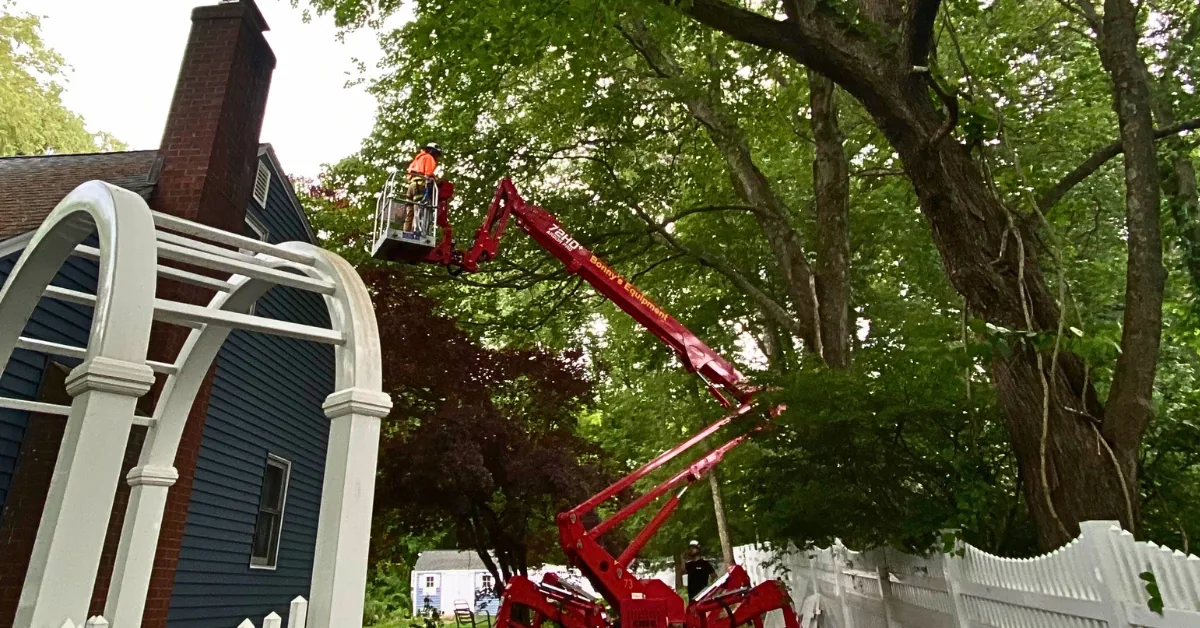
- V-shaped branch unions can also be weak, especially in maples and oaks. Bark trapped inside a tight junction may prevent a strong connection from forming. A tree removal professional in New London County, CT can assess whether a weak union can be managed with pruning or whether a larger section or the entire tree needs to come down.
How Does Storm Damage Affect Tree Removal Decisions in Connecticut?
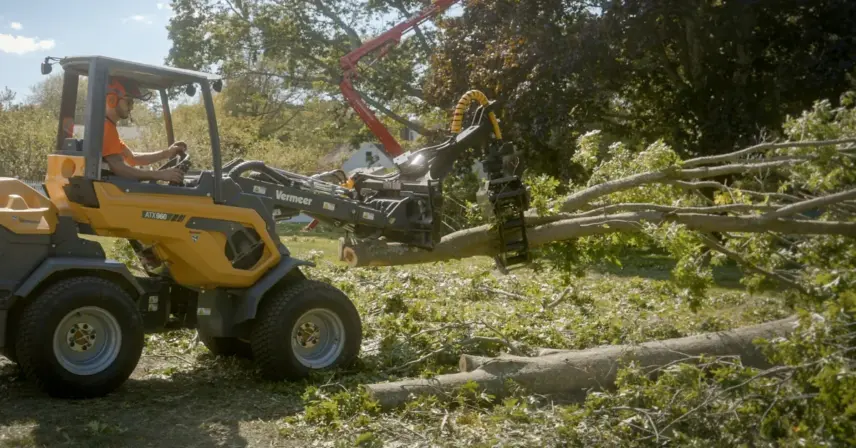
Storm damage may require tree removal when high winds shatter the main crown, snap the central leader, or cause the root plate to lift from the soil. Heavy ice or hurricane-force gusts can leave a tree unbalanced and more likely to fail during a later weather event.
- Coastal storms in New London County affect both shoreline and inland properties. When a tree loses major limbs during a nor’easter, its remaining structure should be assessed before deciding whether it can recover.
- Emergency crews evaluate whether broken limbs can be pruned safely or whether the trunk, crown, or root system has been too badly compromised.
- Uprooting can create an immediate hazard. Cracked or lifted soil around the base, a sudden lean, or exposed roots may indicate that the tree’s anchoring system has failed.
- If a tree has fallen on a structure, blocks access, or is dangerously suspended, contact a professional offering 24/7 emergency tree service in Connecticut. Do not attempt to cut a storm-damaged tree yourself; bent limbs and trunks can hold dangerous tension.
Which Tree Diseases May Require Complete Removal?
Complete removal may be necessary when a tree has a severe, untreatable disease or pest infestation that has caused extensive decline or made the tree structurally unsafe. Examples can include advanced Emerald Ash Borer damage, Dutch Elm Disease, and Oak Wilt. The right decision depends on the diagnosis, the amount of damage, and the risk posed by the tree.
- Ash trees affected by Emerald Ash Borer can decline rapidly. As branches die and the wood dries, the tree may become increasingly hazardous to climb or dismantle. A professional crew can determine the safest removal method, including whether crane assistance is appropriate.
- Oak Wilt can cause rapid decline in susceptible oaks. If the disease is suspected, seek advice from a qualified tree-care professional or the appropriate state forestry resource. Prompt diagnosis matters because management options depend on the disease and local conditions.
- Dead or declining trees should not automatically be removed based on one symptom alone. A professional assessment can distinguish between treatable issues and defects that create an unacceptable safety risk.
Is Proximity to a House a Reason for Tree Removal?
Proximity to a house can be a reason to consider removal when a tree has serious structural defects, large branches threaten the roof, roots are damaging infrastructure, or the tree’s condition creates an unacceptable risk to the property.
- Trees planted too close to buildings may eventually outgrow the available space, leading to repeated maintenance needs or conflicts with structures.
- Denison Tree Removal assesses large pines, maples, and other mature trees growing near foundations, roofs, fences, and driveways. Removal may be appropriate when a tree cannot be managed safely through pruning.
- Overhanging limbs can drop branches and debris into gutters or onto shingles. In some cases, pruning can reduce the risk; in others, a hazardous tree in a difficult location may need to be dismantled in sections.
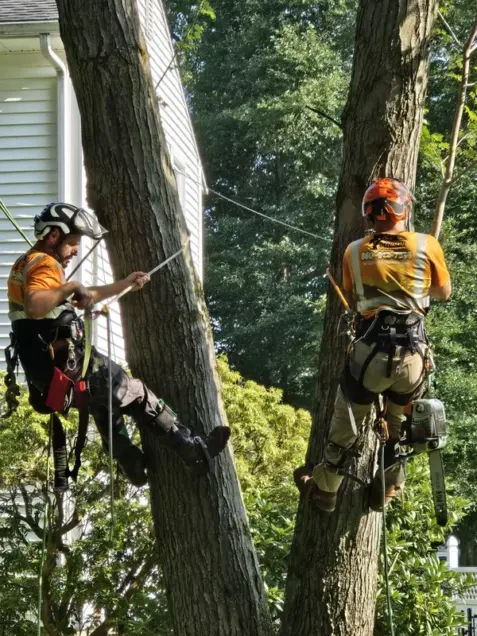
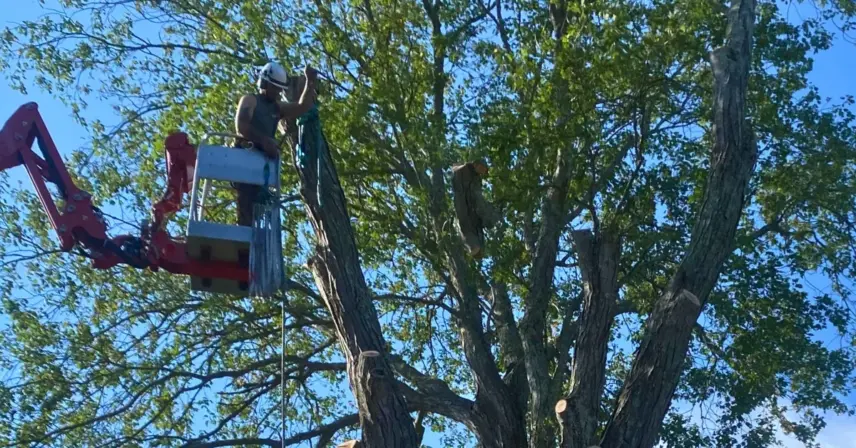
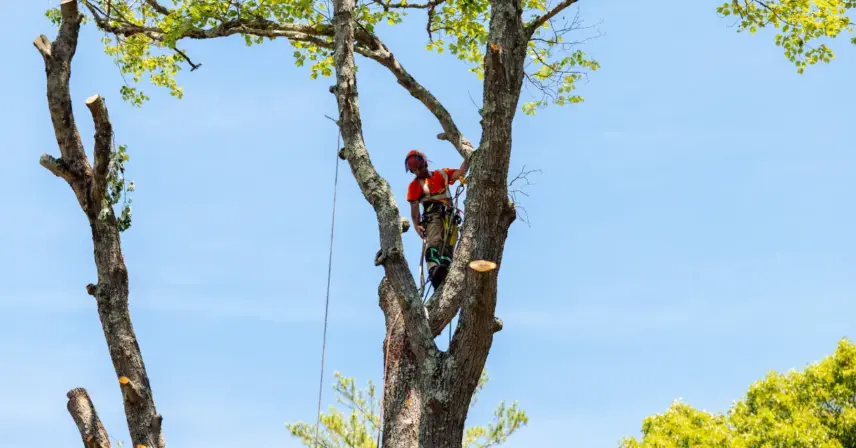
- For trees close to homes or other obstacles, experienced climbers and crane-assisted methods can help control how sections are lowered. Learn more about residential tree services in Connecticut.
How Do You Know If a Tree Is Completely Dead?
A tree may be dead if its twigs snap easily and show no living tissue, the bark peels away extensively, and no leaves emerge during the growing season. However, a single symptom is not always conclusive, so it is best to have an uncertain tree assessed.
- Dead trees lose the flexibility of living wood and may break unpredictably in high winds. Look for widespread dead branches, extensive bark loss, and a lack of new growth.
- Mushrooms at the base or fungal conks on the trunk can indicate decay. These signs do not reveal the full extent of internal damage, but they warrant a closer inspection, especially if the tree is near a house, driveway, or area where people gather.
- Trees with extensive decay can be dangerous to climb or dismantle. A professional crew can evaluate the hazard and choose an appropriate removal method.
What Is the Cost of Tree Removal in New London County, CT?
Tree removal in New London County may cost several hundred to several thousand dollars. The final price depends on the tree’s height and trunk diameter, its condition, access to the site, nearby structures, equipment requirements, and whether stump grinding and debris hauling are included. The figures below are general estimates, not a guaranteed quote.
- Trees in open yards are often easier to remove than trees wedged between a house, pool, fence, or power lines. Complex rigging and crane operations can increase labor and equipment costs.
- Ask whether the estimate includes cleanup, hauling, and stump grinding so you can compare quotes accurately. Denison Tree Removal provides written estimates for tree removal after reviewing the job and access conditions.
| Tree Size Category | Estimated Cost Range | Typical Equipment Used |
|---|---|---|
| Small (under 30 feet) | $400–$800 | Chainsaws, chipper, ground crew |
| Medium (30–60 feet) | $800–$1,500 | Bucket trucks, rigging gear, chipper |
| Large (over 60 feet) | $1,500–$3,000+ | Cranes, professional climbers, log loaders |
Actual costs vary by tree condition, site access, hazards, and the services included. Request an on-site estimate for pricing specific to your property.